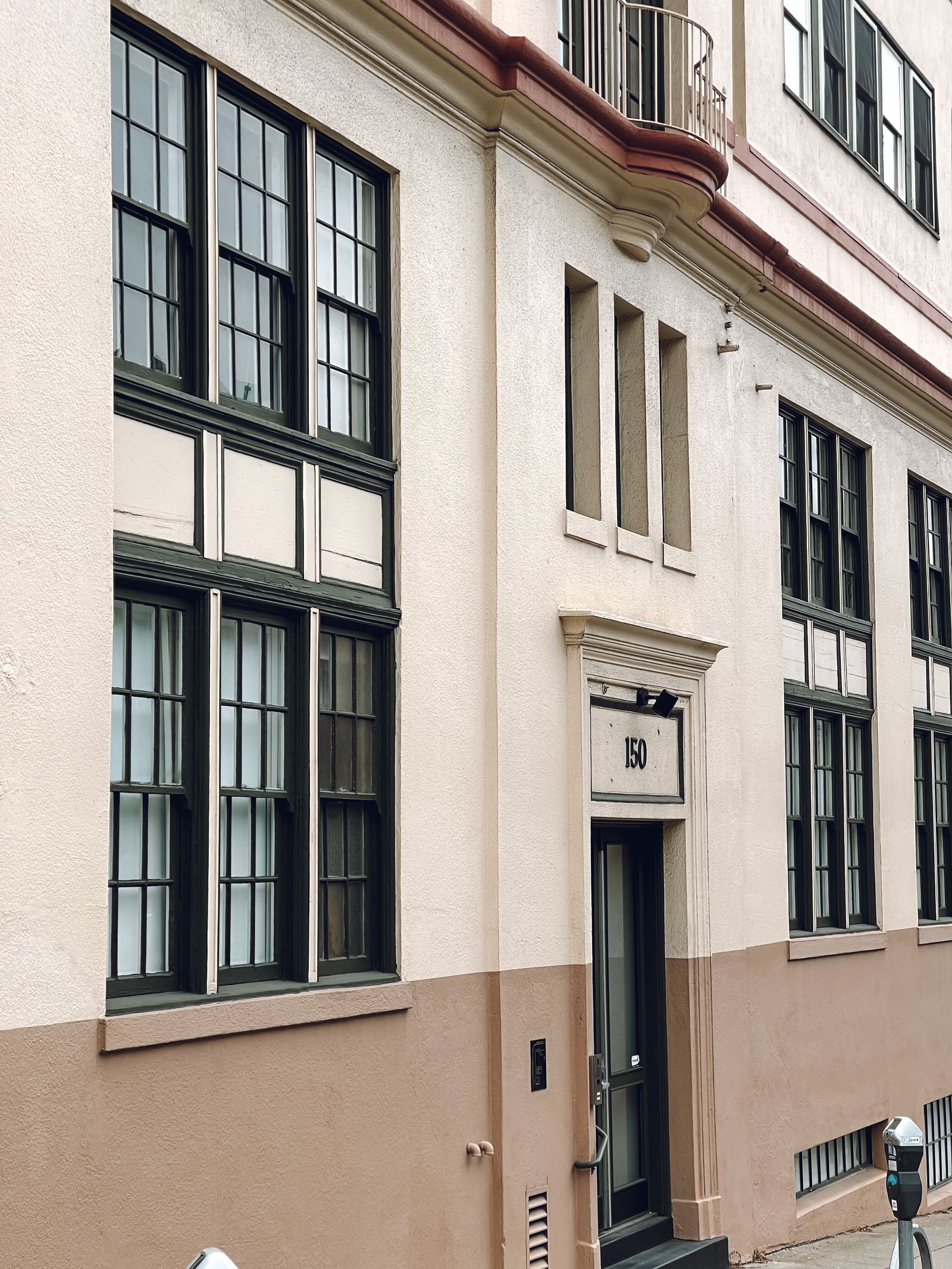
Understand what soft washing is designed to address
Soft washing generally uses a compatible cleaning solution, controlled dwell time, and a measured lower-pressure rinse to loosen or remove organic growth and atmospheric soil from a tested surface. On a Melbourne stucco wall, shaded soffit, painted concrete elevation, or compatible panel, it may address algae, mildew, pollen, and general film without depending on aggressive impact. The method can be useful where the surrounding landscape, air intakes, pedestrian routes, and stormwater path can be managed.
Soft washing is not automatically appropriate for every material, plant, coating, or waterway. Product choice, dwell time, wind, nearby occupants, surface age, repairs, sealants, and previous coatings all matter. A test area helps show how color, porosity, and condition affect the finish. Salt, mineral scale, oxidation, bird residue, construction film, adhesive, and failed coatings may require a different tested treatment. The proposal should state what the process is intended to clean and what it does not repair.
Know where pressure washing can help
Pressure washing can be useful on suitable hardscape, concrete approaches, loading areas, curbs, dumpster pads, parking structures, and controlled detail work when pressure, nozzle, distance, water volume, and runoff are appropriate. A retail center may have durable concrete that needs a different method from the painted wall above its storefront. A medical campus may need a carefully controlled entrance approach, while an aerospace site may have hardscape and security constraints that require a narrow work window.
The correct setting is determined by the substrate and desired result, not by a machine's maximum rating. Excessive pressure can etch concrete, strip paint, damage coatings, drive water behind stucco or siding, open joints, scar soft masonry, break seals, or force debris into vents. It can also move dirty water rapidly toward a curb inlet, swale, planting bed, retention area, or occupied sidewalk. Ask which pressure and method will be tested on each material and how water will be controlled rather than asking for one pressure number for the entire property.
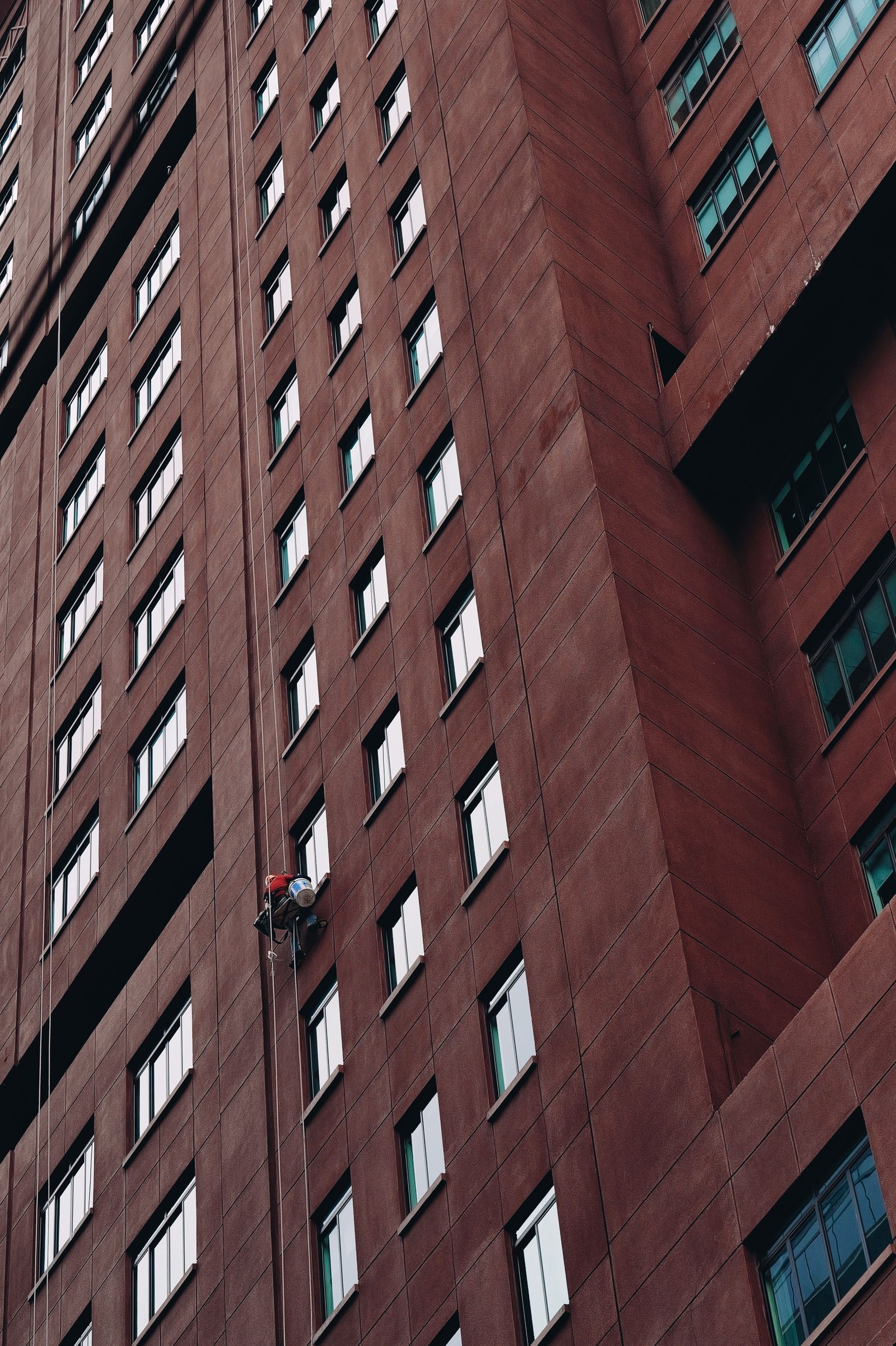
Match the method to Melbourne's materials and deposits
Stucco, EIFS, painted concrete, brick, precast, metal panels, glass, tile, canopies, and balcony surfaces do not share the same tolerance or cleaning need. A coastal building may have salt film on railings, algae in shaded corners, pollen on ledges, and mineral marks below irrigation on the same elevation. A hotel can have guest-facing glass and balcony details next to broad wall fields. A technology or healthcare property may have sensitive equipment, air intakes, access controls, and finished surfaces that require a more deliberate sequence.
The deposit should guide the method. Algae and mildew may respond to an appropriate soft-wash process. Mineral scale, oxidation, adhesive, graffiti, construction residue, and bird residue may need specialty chemistry, contact work, or restoration. Pressure alone may spread or abrade a bonded mark, while chemistry alone may not remove it. A good scope separates routine facade maintenance from glass restoration, hard-water treatment, oxidation removal, coating repair, sealant work, and structural repair.
Make the decision around people and operations
The method that looks efficient on an empty elevation may be wrong for an occupied Melbourne property. Hospitals and outpatient offices need patient routes, ambulance access, quiet areas, and protected entrances. Hotels need guest arrivals, valet, pool, housekeeping, and outdoor dining coordination. Retail centers need storefront visibility, customer parking, accessible paths, and deliveries. Aerospace, defense, and technology facilities may add security, escort, restricted photography, sensitive equipment, and controlled staging requirements.
The quote should describe work windows, barriers, signs, hose routing, wet-pavement controls, public separation, equipment staging, communications, and the handback check. Phasing can keep a main entrance open while a side elevation is completed. If a pressure method creates unacceptable splash or noise, a controlled soft-wash or hybrid sequence may fit better. If a lower-pressure method cannot produce the requested result on a detail, a separately controlled contact method may be appropriate.
Treat coastal weather and drainage as method variables
Salt air, humidity, rain, pollen, and shade can create different maintenance needs across Melbourne and the barrier-island-facing parts of Brevard. Wind-driven rain can soil covered walkways and lower walls, while summer heat and storms can change dwell time and drying. Tropical weather can add debris, standing water, saturated plant beds, and scheduling uncertainty. The owner should decide whether the project is a one-time reset or part of recurring maintenance based on exposure, traffic, shade, landscape, and finish expectations.
Drainage is part of the method decision. A high-volume rinse can move soil and product quickly, but a lower-pressure process can also create runoff if low points are ignored. Map storm drains, swales, retention areas, lagoon-facing edges, pools, doors, plants, air intakes, and public paths before work. Use appropriate diversion, collection, recovery, reduced rinse volume, or filtration controls based on the site and products. A clean facade is not a successful closeout if water creates a slip condition, harms landscaping, or reaches a drainage feature without an appropriate plan.
- Identify salt, algae, mildew, pollen, mineral scale, road soil, oxidation, and coating failure separately.
- Map drains, swales, retention areas, low points, plants, pools, air intakes, doors, and occupied paths.
- Coordinate wind, lightning, rain, drying time, security rules, tenant activity, and public separation.
- Ask whether the recommendation is a one-time reset or a recurring maintenance schedule.
Place drone-assisted cleaning in the right part of the plan
A drone may support selected upper wall fields when wind, line of sight, stand-off distance, airspace, launch space, water access, and ground controls allow it. It is not the best method for every Melbourne surface. Airport-related airspace, utility lines, palms, balconies, narrow sidewalks, rooftop equipment, security zones, and customer activity can make aerial work unsuitable on a particular elevation. Entrances, windows, trim, canopies, lower walls, and bonded deposits may still require ground equipment or contact work.
A hybrid plan can use aerial support for broad compatible upper surfaces, ground equipment for lower elevations, hand work for details, and specialty treatment for mineral or bonded deposits. The scope should identify proposed elevations, spotter or ground-control roles, public separation, communications, emergency procedures, weather limits, and the alternate method if conditions change. Commercial operators must comply with applicable FAA requirements and address-specific authorizations. The aerial option should make the plan more workable, not replace a material and site-risk review.
Ask better questions before approving the work
Request a material-by-material method instead of a generic promise to pressure wash or soft wash the whole building. Ask for the intended result, test-area process, included elevations, exclusions, water source, runoff controls, plant protection, work windows, access assumptions, public controls, weather limits, and closeout documentation. Ask how the team will handle stucco, EIFS, glass, metal, balconies, signs, canopies, stormwater features, sensitive equipment, and the exact deposit visible on your property. If aerial support is proposed, ask which elevations qualify and what happens if wind, airspace, separation, or the required finish makes it unsuitable.
For a Melbourne quote, send the address, photos, approximate height, materials, priority areas, nearby drainage, water availability, preferred dates, and restrictions involving tenants, patients, guests, deliveries, events, or security. Call +1 239-351-2897, email contact@dronebuildingcleaners.com, or use the quote form to get in touch. A clear scope is the best way to compare methods, price, operating impact, and expected result.